Citronella, eucalyptus, peppermint, tea tree, and rosemary will all naturally repel fleas. If your dog doesn’t mind a spray bottle, dilute a few drops of your chosen essential oil into a 300ml-400ml of water and spray directly onto your dog’s coat.
Several herbs and essential oils can be used as natural remedies to repel or eliminate fleas. These include lavender, lemongrass, peppermint, cedarwood, rosemary, and neem oil. Essential oils are often used in homemade flea sprays, diluted in water or a carrier oil, and applied to pets or their environment. Herbs can also be used to create flea-repellent collars or added to pet bedding.
Here’s a more detailed look at some natural flea remedies:
Essential Oils:
Lavender:
A popular choice due to its pleasant scent for humans and its ability to repel fleas and ticks. It can be used in a spray, added to pet bedding, or applied to a collar.
Lemongrass:
Known for its citrusy scent and insect-repelling properties, lemongrass oil can be effective in repelling fleas.
Peppermint:
Fleas strongly dislike the smell of peppermint and it can even kill them at high concentrations. It can be used in a spray or added to pet bedding.
Cedarwood:
Cedarwood oil is a potent natural flea repellent and can be used to treat both pets and their environment.
Rosemary:
Rosemary can be used to make a flea-repelling dip or added to pet bedding and collars.
Neem Oil:
Neem oil is an effective natural remedy for flea and tick control, repelling and soothing irritated skin.
Tea Tree Oil:
A few drops of tea tree oil diluted in a carrier oil can be massaged into a pet’s coat to help repel fleas.
Herbs:
Lavender: As mentioned, lavender is a great herb for repelling fleas, and can be planted around the yard. Rosemary: Similar to its essential oil, rosemary can be planted in the yard or added to pet bedding.
Mint: Mint, including peppermint and spearmint, is a natural flea repellent and can be planted or used in a spray.
Catnip: Catnip can be used to make a flea-repelling spray.
Wormwood: Wormwood is another herb that can be used for flea control.
Other Natural Remedies:
Apple Cider Vinegar: The acidic nature of apple cider vinegar can help repel fleas.
Coconut Oil: Rubbing coconut oil into a pet’s coat can help deter fleas.
Important Considerations:
Dilution:
When using essential oils, it’s crucial to dilute them properly with a carrier oil (like coconut oil, grapeseed oil, or almond oil) to avoid skin irritation.
Safety:
While many essential oils are safe for dogs, some can be toxic to cats. Always research the safety of any oil before using it on your pet.
Home Environment:
Treat your pet’s environment (bedding, carpets, etc.) with natural flea repellents as well to help eliminate the infestation.
Professional Advice:
Consult with a veterinarian or pest control professional for advice on the most effective and safe flea control methods for your specific situation, especially if you have a serious infestation.
If you’re looking for natural remedies using herbs and essential oils for migraine headaches, several options have been explored.
Essential Oils:
Lavender oil: Known for its calming and soothing properties, inhaling lavender essential oil can help manage acute migraine attacks and has been suggested as a safe and effective treatment for managing them, according to a 2022 review. It’s also believed to improve sleep, which can be helpful as poor sleep can be a migraine trigger.
Peppermint oil: Contains menthol, which can help relax muscles and ease pain. Applying diluted peppermint oil topically on the temples and forehead may relieve pain from tension headaches and migraine attacks, but research is limited.
Chamomile oil: Known for relaxing the body and soothing muscles, making it helpful for tension headaches. It may also help with anxiety and insomnia, both of which can contribute to headaches.
Eucalyptus oil: Can help clear nasal passages and relieve sinus tension that causes headaches, potentially helpful if your migraines are related to sinus issues.
Rosemary oil: Possesses anti-inflammatory and pain-relieving properties, traditionally used for stress reduction and improved circulation. Research suggests it may have pain-alleviating effects, particularly when combined with analgesic drugs, but more human studies are needed.
Basil oil: A study found that topical application of basil essential oil decreased migraine intensity and frequency over 3 months, but more research is needed.
Herbs:
Ginger: A review of clinical trials found ginger powder to be safe and effective in reducing migraine pain and alleviating nausea and vomiting, which are common migraine symptoms.
Feverfew: Traditionally used to treat various ailments, including headaches. Some research suggests it may help reduce headache pain, but other findings are mixed, and it’s important to be aware of potential side effects. Willow bark: Contains salicin, an ingredient similar to aspirin, and has anti-inflammatory properties.
Butterbur: Traditionally used for headaches, but safety concerns regarding a compound called pyrrolizidine alkaloid mean it’s not currently recommended.
Important Considerations:
Dilution: Always dilute essential oils with a carrier oil before applying them to the skin.
Individual response: What works for one person may not work for another.
Lack of definitive research: While some studies suggest potential benefits, more high-quality research is needed to confirm the effectiveness and safety of essential oils and herbal remedies for migraine.
FDA regulation: The FDA does not regulate the purity or quality of essential oils, so it’s important to research specific brands.
Consult your doctor or herbalist: Always speak with a healthcare professional before trying any new natural remedy, especially if you have existing health conditions or are taking other medications.
Guinea fowl are ground-dwelling birds in the family Numididae, native to Africa. They are known for their distinctive appearance, noisy calls, and pest control abilities. Often kept on homesteads, they can be beneficial for pest control, and their meat and eggs are also used.
Key characteristics of guinea fowl:
Appearance:
They are similar in size to chickens, with dark grey feathers dotted with white, and a red wattle on their beaks. They also have a helmet-like structure on their heads.
Behavior:
Guinea fowl are terrestrial, spending most of their time on the ground, but they can fly short distances. They are known for their loud, repetitive calls, which can be used as an alarm system.
Benefits:
They are effective at controlling ticks and other insects, making them a natural pest control solution. They can also be kept for their meat and eggs.
Raising Guinea Fowl:
They can be integrated with chickens, but it’s important to introduce them gradually and provide a coop for roosting. They are known for being more independent than chickens.
Distinguishing Features:
Males typically have larger wattles and helmets, and females often make a two-syllable call, while males have a one-syllable call, according to Mother Earth News.
Guinea fowl are known for their tick-eating habits and can be a natural way to help control tick populations. However, they are not a complete solution for tick control and may not significantly reduce the risk of tick-borne diseases. While guinea fowl do consume adult ticks, they may not effectively reduce nymphal ticks, which are the stage most likely to transmit diseases.
Guinea Fowl as Tick Predators:
Tick Consumption:
Guinea fowl are known to eat ticks, along with other insects, and can be effective in reducing adult tick populations in enclosed areas.
Not a Complete Solution:
Studies have shown that guinea fowl do not significantly reduce nymphal tick populations and may even serve as hosts for them, potentially increasing the risk of tick-borne diseases.
Other Tick Control Methods:
Guinea fowl should be considered as one component of a broader tick control strategy, which may include habitat modification, tick repellents, and other tick predators.
Noise and Behavior:
Guinea fowl are known for their loud calls and can be quite noisy, which may be a concern for some homeowners. They can also be difficult to contain and may require some training to return to their coop at night.
Effectiveness:
Reduced Adult Tick Population: Research has shown that guinea fowl can effectively reduce adult tick populations in enclosed areas.
Limited Impact on Nymphal Ticks:
Studies have indicated that guinea fowl do not significantly reduce nymphal tick populations, which are the stage most likely to transmit diseases.
Potential for Increased Tick Presence:
Some studies suggest that guinea fowl can serve as hosts for nymphal ticks, potentially increasing the number of ticks in an area.
Additional Considerations:
Other Tick Predators:
Other animals like opossums, chickens, and certain birds (jays, robins, bluebirds) also eat ticks.
Habitat Modification:
Reducing tick habitats, such as tall grass and leaf litter, can also help control tick populations.
Tick Repellents:
Using tick repellents on yourself and your pets can also reduce the risk of tick bites.
This video will explain the characteristics of guinea fowl:
Many people are looking for natural and herbal ways to manage ticks in sheep and goats. Here’s what some resources suggest:
Essential Oils:
Neem Oil: Can be effective at repelling and killing ticks when applied to the animal, potentially disrupting the tick life cycle.
Eucalyptus Oil: Acts as both a repellent and killer, and can be used in a diluted spray.
Cedarwood Oil: A non-toxic repellent and killer, safe for humans and pets.
Citronella Oil: Used as a biopesticide and can be combined with other oils like thyme for effectiveness.
Peppermint Oil and Clove Extract: Found in a natural fly and tick spray specifically for livestock like cattle, goats, sheep, and pigs.
Oregano Oil: Studies suggest it’s effective for repelling ticks, with high dosages of its component, cedrol, potentially killing ticks.
Rosemary Oil: Its strong scent repels ticks and other pests.
Other oils: Lemon, orange, cinnamon, lavender, and rose geranium are also cited as tick repellents.
Other Natural Remedies:
Diatomaceous Earth: Can be applied directly to animals to destroy parasites like ticks.
Garlic: May help repel flies and ticks in cattle when consumed, improving gut health.
Apple Cider Vinegar: Its acidic taste may deter ticks. Can be used in sprays or added to drinking water (though use caution with this method).
Traditional/Ethno-Veterinary
Practices:
Indigenous knowledge in some regions uses plants like Lippia javanica, Cissus quadrangularis, and Aloe ferox for tick control.
These plants, often used in combinations and mixed with other substances, may have various phytochemicals with repellent effects.
Important Considerations: Dilution: Essential oils are potent and must be diluted properly before applying to animals.
Patch Testing: Perform a patch test on a small area of skin before applying an oil more broadly.
Veterinary Consultation: Always consult with a veterinarian before using any home remedies or essential oils on your livestock.
Tick Removal: If a tick is already embedded, use fine-tipped tweezers to remove it carefully.
Note: While these natural methods can be helpful, always prioritize your animals’ health and consult with a veterinary professional for advice on tick prevention and control.Here are some herbal and natural remedies you can consider for tick control in sheep and goats:
Essential Oils:
Neem Oil: Can be effective in repelling and killing ticks, and may disrupt their life cycle. Some sources suggest diluting it with a carrier oil like almond oil before applying to skin.
Eucalyptus Oil: Acts as a tick killer and repellent. Mix 20 drops with 4 ounces of water in a spray bottle for use.
Cedar Oil: A non-toxic repellent and killer that’s safe for pets. It can be sprayed directly on clothing and skin. You can buy it online or in stores, or make your own by mixing it with water and witch hazel.
Citronella Oil: An insect repellent that can be combined with other oils, like thyme, for better effectiveness.
Peppermint Oil and Clove Extract: Found in a commercially available spray specifically designed for livestock like sheep and goats.
Oregano Oil: Studies suggest it’s effective for repelling ticks.
Rosemary: Its strong scent can help repel ticks and other pests.
Other Essential Oils: Lemon, orange, cinnamon, lavender, and rose geranium are also suggested as natural tick repellents.
Other Natural Remedies:
Diatomaceous Earth: A natural product used in organic farming to control parasites. It can be applied directly to the animal to eliminate ticks and other parasites.
Garlic: Contains sulfur compounds that can repel flies and ticks when consumed by the animal.
Apple Cider Vinegar: Some believe its acidic taste helps ward off ticks. It can be used in a spray solution (2 cups water, 4 tbsp ACV, 2 tbsp neem oil) for animals.
Traditional/Ethno-Veterinary Plants: Certain plants, like Lippia javanica, Cissus quadrangularis, and Aloe ferox, have been traditionally used for tick control in some regions. These may involve crushing the leaves and applying the juice or mixing with water for spraying.
Important Notes:
Dilution is crucial: Always dilute essential oils with a carrier oil or water before applying to animals.
Perform a patch test: Apply a small amount of any new remedy to a limited area of the animal’s skin to check for adverse reactions before wider use.
Consult with your veterinarian:
Before using any natural or herbal remedy, it’s essential to discuss it with your vet to ensure it’s safe and appropriate for your animals.
Tick Removal: If you find a tick attached, remove it promptly and properly using fine-tipped tweezers.
Be aware of potential sensitivities:
Some plants or oils can be irritating to certain animals or individuals.
Using a combination of these methods, including good pasture management and regular inspections of your animals, can help with tick control.
🧴
Several essential oils derived from herbs can help control ticks on sheep and goats. Clove, eucalyptus, and rosemary oils have shown promise in repelling and even killing ticks. Other effective options include lemon, orange, cinnamon, lavender, peppermint, and rose geranium oils. These can be used in sprays, diluted in water or mineral oil, or applied to collars or bandanas.
Essential Oils and Their Effects:
Clove oil: Demonstrated high mortality rates for adult and nymph ticks and led to the highest nonattachment rates according to a study published by the National Institutes of Health (NIH).
Rosemary oil: Can be used as a spray or diluted in other oils to repel ticks. Studies suggest it can also inhibit tick reproduction.
Eucalyptus oil: Effective against certain tick species, with dose-dependent effects.
Lemon, orange, cinnamon, lavender, peppermint, and rose geranium oils: These scents are known to repel ticks.
Citronella and tea tree oils:
Effective in tick control, particularly when combined in a spray.
DIY Spray Recipe:
A simple spray can be made using: 1/2 teaspoon of liquid castile soap, peppermint or eucalyptus scented 1/2 teaspoon of vegetable glycerin 1/4 cup of purified water 20 drops of geranium essential oil 14 drops of lemon eucalyptus essential oil 7 drops of lemongrass essential oil 7 drops of citronella essential oil
Important Considerations:
Dilution:
Always dilute essential oils before applying them to animals, as they can be irritating at full strength.
Application:
Essential oils can be applied in various ways, including spraying, using a bandana, or adding them to a rub-on or pour-on application.
Repellency vs. Killing:
While some essential oils are effective at repelling ticks, others may have acaricidal (tick-killing) properties.
Sustainability:
Essential oils offer a more sustainable and environmentally friendly approach to tick control compared to synthetic pesticides according to Parasites & Vectors.
Individual Variation:
The effectiveness of essential oils can vary depending on the specific tick species, the concentration of the oil, and the individual animal.
Consult with a Veterinarian:
It’s always best to consult with a veterinarian or animal health professional before using essential oils on your sheep or goats, especially if they have any underlying health conditions.
Herbs 🌿
Several herbs can help deter or eliminate ticks on sheep and goats, including neem oil, rosemary, and certain essential oils. Additionally, some plants like American beautyberry and lemongrass are also known for their tick-repelling properties.
Herbs and Plants for Tick Control:
Neem oil:
Neem oil is a well-known natural pesticide and repellent. It can be applied directly to the animal’s skin or used in a spray solution.
Rosemary:
This fragrant herb is a natural tick repellent. Planting rosemary around your pasture or garden can help deter ticks.
Essential Oils:
Many essential oils have tick-repelling properties. These include:
Lemongrass: Lemongrass oil has shown good efficacy against ticks in studies.
Citronella: Citronella oil is also a registered insect repellent and can be used in combination with other repellents.
Cedarwood: Cedarwood oil can repel and even kill ticks.
Lavender: Lavender oil is a pleasant scent for humans but a deterrent for ticks.
Peppermint: Peppermint oil can repel ticks and other pests.
Rose Geranium: Similar to lavender, rose geranium oil is a tick repellent.
American Beautyberry:
The leaves of this plant have been shown to repel ticks.
Aloe Vera:
Aloe vera can be used to treat tick bites and wounds. Crushed leaves can be applied to the skin or mixed with water for drenching.
Tobacco Leaves:
A study in the International Journal of Veterinary Science found that a combination of neem oil and tobacco leaves, when sprayed, can be effective against tick infestations.
Other Plants:
Various other plants have been traditionally used, including Cissus quadrangularis, Stapelia gigantea, Portulaca pilosa, and Gomphocarpus physocarpus. Important Considerations:
Preparation:
Many herbs need to be prepared in a specific way, such as crushing leaves, boiling roots, or extracting oils. Follow recommended methods for each herb.
Dosage:
It’s crucial to use the correct dosage to avoid any adverse effects on the animals.
Application:
Some herbs are applied topically (on the skin), while others are given orally (drenched).
Efficacy:
The effectiveness of herbs can vary. It’s helpful to monitor the tick population and adjust your approach as needed.
Safety:
Be aware of any potential allergic reactions or sensitivities in your animals. If you are unsure, consult with a veterinarian or herbalist.
Rx 💉
For tick control in sheep and goats, several options are available including insecticide pour-ons, sprays, and dips, as well as systemic treatments like ivermectin. Preventative measures like maintaining clean and dry environments, and shearing sheep before summer, are also important.
Insecticide Treatments:
Pour-ons:
Synthetic pyrethroid pour-ons containing cypermethrin, like Crovect, offer persistent efficacy (up to 10 weeks) killing ticks within hours.
Sprays:
Permethrin-based sprays are effective against ticks. Consider Gordon’s Goat and Sheep Spray or UltraCruz Livestock Natural Fly and Tick Spray.
Dips:
Chlorpyrifos or Amitraz dips can be used, but be mindful of potential resistance and switch between different acaricides.
Systemic Treatments:
Ivermectin: Injectable or oral ivermectin (at twice the label dose for drenching) can be effective, but always follow label instructions.
Other Considerations:
Frequency: Treatments may need to be repeated after a certain period (e.g., every 30 days for 3 months) to target ticks at different life stages. Rotation: Rotate the type of insecticide used to prevent tick resistance.
Environment: Keep pastures clean and dry, and consider rotational grazing to minimize tick exposure. Biological Control: Predatory mites, rove beetles, ants, and ladybugs can help control ticks.
Shearing: Shear sheep before the summer heat to reduce tick harborage.
Consult your veterinarian: Always consult with your veterinarian for specific recommendations and treatment plans for your animals.
Conjunctivitis and pink eye are the same condition; “pink eye” is a colloquial term for conjunctivitis, which is inflammation of the conjunctiva, the thin membrane lining the white part of the eye and inner eyelid. Pink eye is a general term for any inflammation or infection of the conjunctiva, and it can be caused by viruses, bacteria, or allergies.
Here’s a more detailed explanation: Conjunctivitis: This is the medical term for the inflammation of the conjunctiva.
Pink Eye: This is the common term for conjunctivitis, especially when it’s caused by a viral or bacterial infection that makes the eye appear pink or red.
Causes of Conjunctivitis (Pink Eye): Viral Conjunctivitis: Often caused by the same viruses that cause the common cold and is highly contagious.
Bacterial Conjunctivitis: Caused by bacterial infections and is also contagious.
Allergic Conjunctivitis: Triggered by allergens like pollen, dust, or pet dander and is not contagious.
Symptoms:
Red or pink eye(s).
Itching or burning sensation.
Gritty feeling in the eye(s).
Watery or sticky discharge (depending on the cause).
Crusty eyelashes, especially after sleep.
Treatment:
Viral: Usually resolves on its own within a few weeks.
Bacterial: May require antibiotic eye drops or ointment.
Allergic: Can be managed with over-the-counter antihistamine eye drops or artificial tears.
Contagiousness:
Viral and bacterial conjunctivitis are highly contagious and Allergic conjunctivitis is not contagious.
Herbs 🌿
For conjunctivitis, or pink eye, several herbs and natural remedies can help soothe symptoms and promote healing. These include chamomile, honey, and eyebright (Euphrasia). Warm or cool compresses can also provide relief from inflammation and discharge.
Here’s a more detailed look:
Herbal Remedies:
Chamomile:
Chamomile tea can be used as a warm compress or eyewash to reduce inflammation and irritation.
Honey:
Honey, especially raw, organic honey, has antimicrobial properties that can help fight infection. It can be diluted with water and applied to the outer eyelids.
Eyebright (Euphrasia):
This herb has a long history of use for eye conditions and is available in eye drops or as a tea. It may be particularly helpful for stinging and burning sensations.
Calendula:
Calendula, often used in combination with chamomile and honey, can help soothe and heal.
Turmeric:
Contains curcumin, which has anti-inflammatory properties.
Green Tea:
Green tea is rich in polyphenols with antiviral, antioxidant, and anti-inflammatory properties.
Other Natural Remedies:
Warm or Cool Compresses:
Applying a warm or cool compress can help relieve inflammation and discomfort.
Rose Water: Rose water can be used as eye drops for soothing relief and to help combat infection. Aloe Vera: Aloe vera has anti-inflammatory and antibacterial properties.
Cucumbers: Cool cucumber slices can help reduce redness and swelling.
Hygiene Practices: Maintaining good hygiene, such as washing hands frequently and avoiding touching the eyes, is crucial in preventing the spread of conjunctivitis.
Essential Oils 🛢 ✨️
While some essential oils are derived from herbs and may offer certain therapeutic properties, it is crucial to understand that essential oils should never be applied directly to the eye for treating pink eye (conjunctivitis).
Here’s what you need to know:
Essential oils are highly concentrated and can cause irritation, burning, pain, and potentially damage to the eyes, even when diluted.
There is no scientific evidence to suggest that essential oils directly treat pink eye or speed up recovery. If you get essential oil in your eye, immediately rinse it thoroughly with cool water for at least 15 minutes and seek medical advice if irritation persists.
Potential Uses (with extreme caution and proper dilution):
Diffusing: Some essential oils, like chamomile, lavender, tea tree, clove, or eucalyptus, may help relieve discomfort when diffused in water vapor. You can add them to a humidifier or a few drops to a pot of boiling water and carefully inhale the steam.
Topical Application (around the eye area): Some essential oils, when highly diluted with a carrier oil (like jojoba or almond oil), may help soothe irritation or inflammation around the eyes. However, apply sparingly and avoid the lash line. Essential oils sometimes mentioned in relation to conjunctivitis (though not for direct application):
Tea Tree Oil: While tea tree oil has antimicrobial properties and is used in some eye hygiene products, like wipes and cleansers, there’s no evidence it directly treats conjunctivitis. Undiluted tea tree oil can be toxic to the eye.
Chamomile Oil: Known for its anti-inflammatory and calming properties, chamomile oil can be diluted with a carrier oil and applied around the eye to reduce irritation and swelling.
Lavender Oil: With anti-inflammatory and soothing effects, diluted lavender oil can be applied around the eye to potentially reduce redness and swelling.
Peppermint Oil: Can offer a cooling sensation for itching and burning, but is very potent and should be used with extreme caution and diluted.
Myrrh Oil: Mentioned as a potential option, but more research is needed.
Eucalyptus Oil: Mentioned as a potential option, but more research is needed.
Important Reminders:
Consult a doctor: It’s important to consult with a healthcare professional before using essential oils for pink eye, especially if symptoms are severe or persistent. Pink eye is contagious: Wash hands frequently and avoid sharing towels or eye makeup to prevent the spread of infection.
In summary, while certain herbs have been traditionally used for conjunctivitis, essential oils derived from these herbs should be handled with extreme caution and never applied directly to the eyes.
Diffusing or properly diluted topical application (around the eye area) may offer symptom relief, but it’s crucial to prioritize safety and consult with a healthcare professional for diagnosis and treatment.
For livestock 🐏
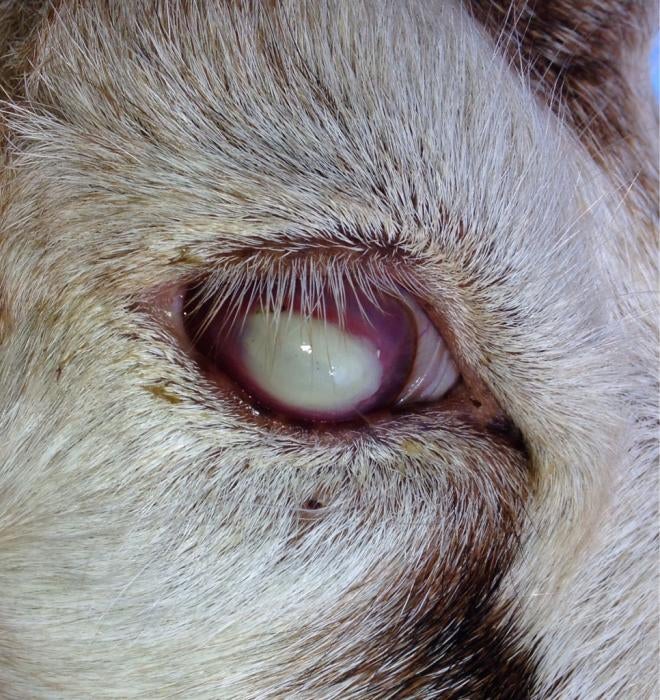
For treating pink eye (conjunctivitis) in sheep and goats naturally, focus on hygiene and soothing remedies to manage the infection and prevent spread. Good hygiene, including keeping the environment clean and reducing dust and flies, is crucial. Rinsing the affected eye with saline solution or a weak salt water solution can help cleanse the area. Additionally, applying a thin layer of honey or a gel-based solution like Curicyn Pink Eye Solution can provide soothing relief and potentially aid healing.
Natural Remedies and Management:
Hygiene and Environment: Reduce dust and flies: Dust and flies can irritate the eyes and spread infection. Manage dust by minimizing disturbance to feed and bedding. Use fly control measures like traps, fans, or natural repellents.
Maintain clean housing: Ensure pens and barns are kept clean to minimize bacterial and irritant buildup.
Isolate affected animals: Separate animals with pink eye to prevent further spread.
Eye Rinses:
Saline Solution: Rinse the affected eye with a sterile saline solution (available at pharmacies) to flush out debris and irritants.
Salt Water: A weak salt water solution (1/2 teaspoon of salt per cup of warm water) can also be used for rinsing.
Soothing Applications:
Honey: Apply a thin layer of honey to the affected eye. Honey has natural antibacterial and anti-inflammatory properties according to Netmeds.
Curicyn Pink Eye Solution: This gel-based formula is designed for pink eye and is safe and easy to apply.
Preventative Measures:
Closed flocks/herds: Avoid introducing new animals to your flock or herd, especially from public auctions, to minimize the risk of bringing in pink eye.
Isolation: Isolate new animals for at least 30 days to observe for signs of illness before introducing them to the existing herd.
Sunlight protection: Provide shade to protect animals from excessive sunlight, which can exacerbate pink eye.
Important Considerations:
Severity:
If pink eye is severe, or if natural remedies don’t show improvement within a few days, consult with a veterinarian.
Underlying Causes:
Pink eye can sometimes be caused by underlying conditions, such as vitamin A deficiency or other diseases. If you suspect a more serious issue, seek veterinary advice.
Prevention is Key:
Maintaining a clean environment, controlling flies, and practicing good biosecurity are essential for preventing pink eye in your flock or herd.
Fainting goats have a neurological disorder called myotonia congenita, also known as Thomsen’s disease. This condition causes their muscles to lock up and become stiff when startled, sometimes leading them to fall over. While it might look like they are fainting, they are not actually losing consciousness.
Elaboration:
Myotonia Congenita:
This inherited disorder causes a slow relaxation of skeletal muscles after voluntary contraction. When startled, the muscles of fainting goats become stiff and locked, often causing them to collapse.
Not a True Faint:
The term “fainting” is a misnomer because the goats don’t lose consciousness. Their muscles are simply unable to relax, causing them to stiffen and fall.
Genetic Basis:
Myotonia congenita is caused by a mutation in the CLCN1 gene, which codes for a chloride channel in muscle cells. This channel is important for muscle relaxation, and the mutation disrupts its function.
Varied Severity:
The severity of the condition can vary from goat to goat, with some exhibiting stiffening every time they are startled and others less frequently.
Adaptation Over Time:
Younger goats may fall more easily during an episode, but as they mature, they often learn to adapt and avoid falling by simply running away on stiffened legs.
It’s generally not recommended to flush ticks down a septic tank, but not because it harms the tank. While flushing may temporarily remove the tick, it doesn’t kill it, and ticks can survive in water. A more effective way to dispose of ticks is to place them in rubbing alcohol, which kills them.
Alternatively, you can wrap them in tape or place them in a sealed container.
Here’s why flushing ticks isn’t a good disposal method and what to do instead:
Ticks don’t drown:
They can survive submerged in water for several days.
Flushing doesn’t kill them:
While flushing will remove the tick from your immediate area, it won’t kill it.
Ticks can escape:
If the septic tank doesn’t filter effectively, ticks could potentially escape and return to your property.
Effective disposal:
Place ticks in rubbing alcohol (which kills them), wrap them in tape, or place them in a sealed container.
To prevent mastitis in livestock, consider supplementing with vitamin E, selenium, zinc, and calcium, as these nutrients play a crucial role in immune function and udder health, while also maintaining good hygiene and proper milking procedures. Here’s a more detailed breakdown:
Key Nutrients and Their Roles:
Vitamin E:
Vitamin E supplementation, especially around calving, can reduce mastitis incidence and improve milk output. It boosts immunity and reduces oxidative stress in the udder.
Selenium:
Selenium is an essential nutrient that, along with vitamin E, enhances phagocytic activity, which is important for fighting off infections. Selenium deficiency has been linked to increased mastitis incidence and severity.
Zinc:
Zinc is crucial for maintaining epithelial barriers to infection, which help prevent bacteria from entering the udder.
Calcium:
Proper calcium supplementation can improve overall therapeutic outcomes in mastitis cases.
Probiotics:
Some studies suggest that probiotics, like Bacillus subtilis C-3102, can help prevent mastitis and reduce the need for antibiotics.
Apple Cider Vinegar (ACV):
ACV can help maximize the nutrition in cattle feed, help the cow ingest and process vitamins and minerals properly, and flush out harmful toxins and mastitis pathogens.
Other Important Considerations:
Hygiene:
Maintaining a clean and dry environment for dry cows is crucial to prevent infections.
Proper Milking Procedures:
Good milking practices and equipment maintenance are essential for preventing mastitis.
Teat Disinfectants:
Using a good teat disinfectant after every milking is a vital preventative measure.
Teat Sealants:
Teat sealants can help prevent new infections during the dry period by creating a barrier in the teat canal.
Vaccines:
ENDOVAC-Dairy with Immune Plus is a vaccine that can provide protection against gram-negative bacteria such as E. coli Mastitis, Pasteurella, Mannheimia, and Salmonella.
Essential Oils:
Some essential oils, like basil and bergamot, have shown antimicrobial activity against S. aureus, a common cause of bovine mastitis.
Udder Comfort Spray:
Some products like Udder Comfort Spray are used to help with udder health and mastitis prevention.